





History of Science Collection of the Observatory
Kandilli Observatory History of Science Collection
Home to the historical scientific instruments used in the astronomy and earth science studies of the Rasathane-i Âmire (Imperial Observatory), founded in 1868 and moved to Kandilli in 1911, the History of Science Collection is located today on Boğaziçi University’s Kandilli Campus.
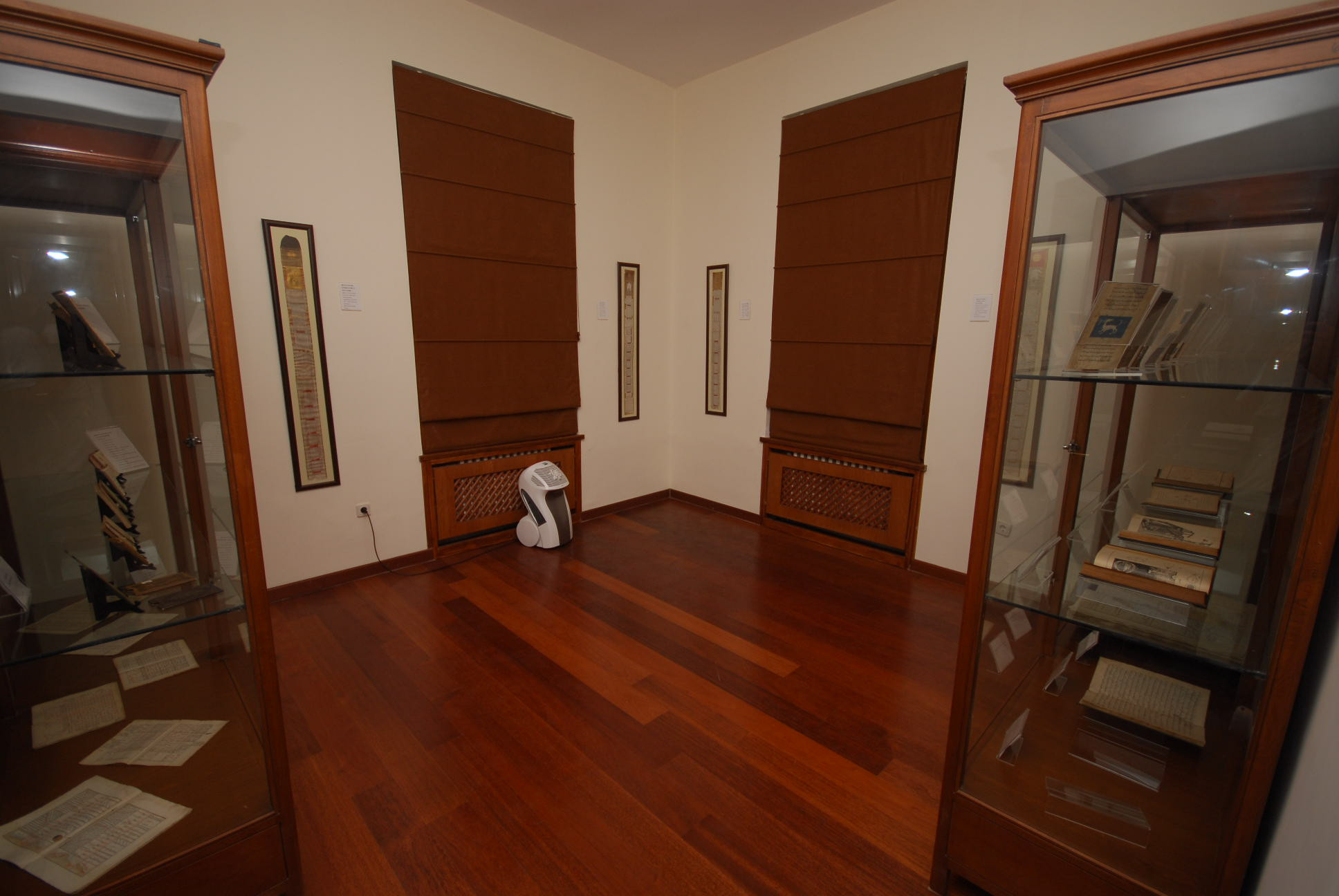
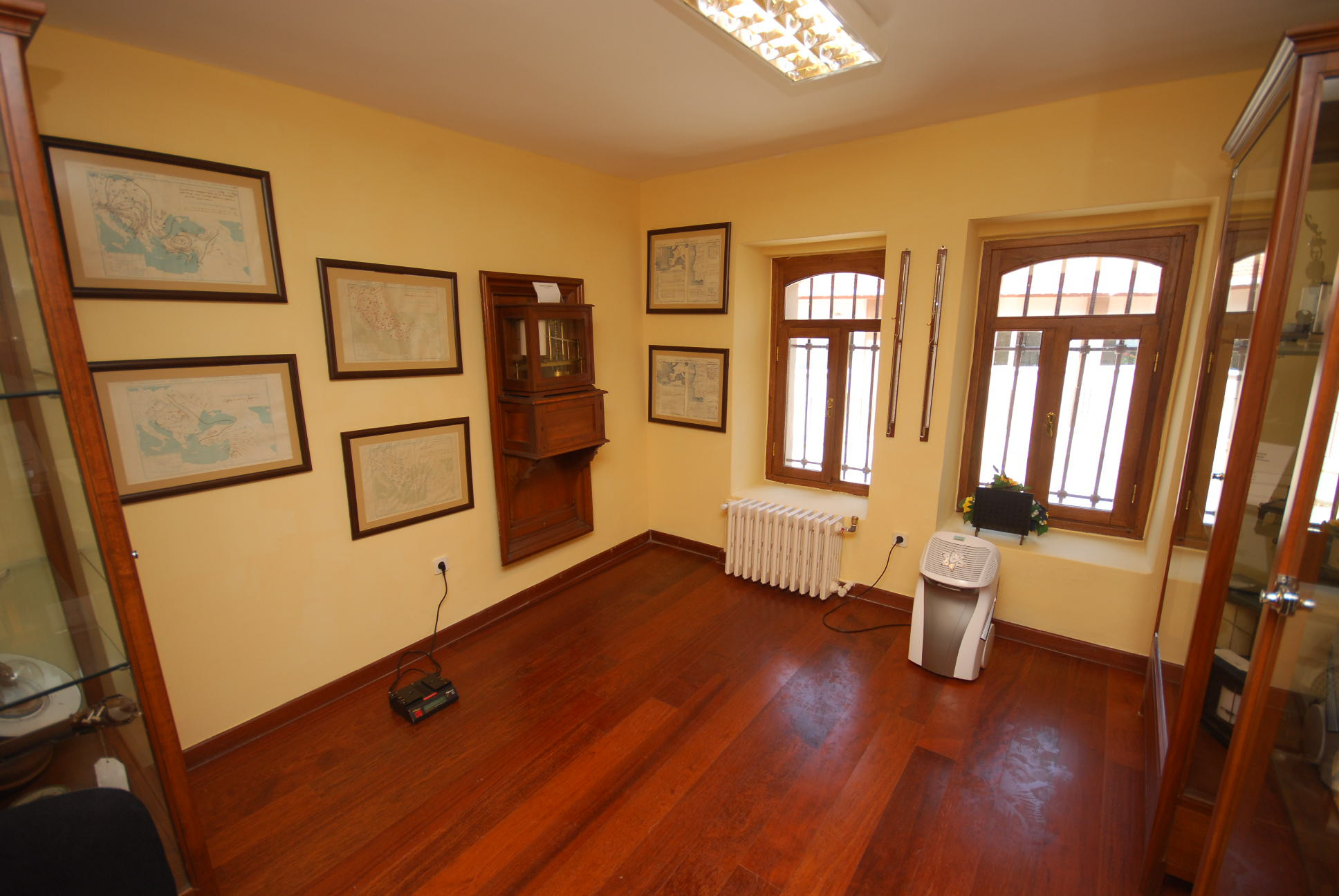
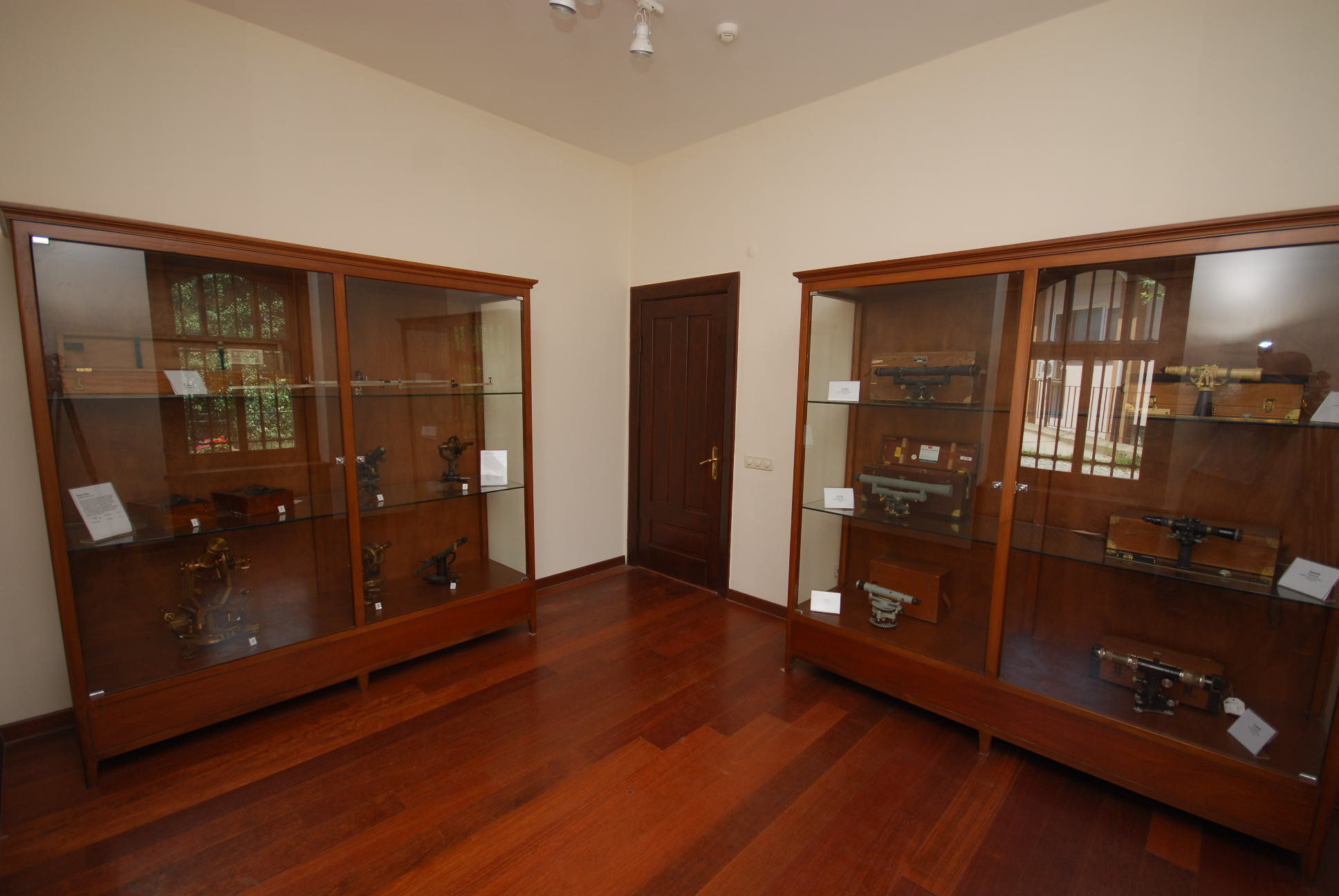
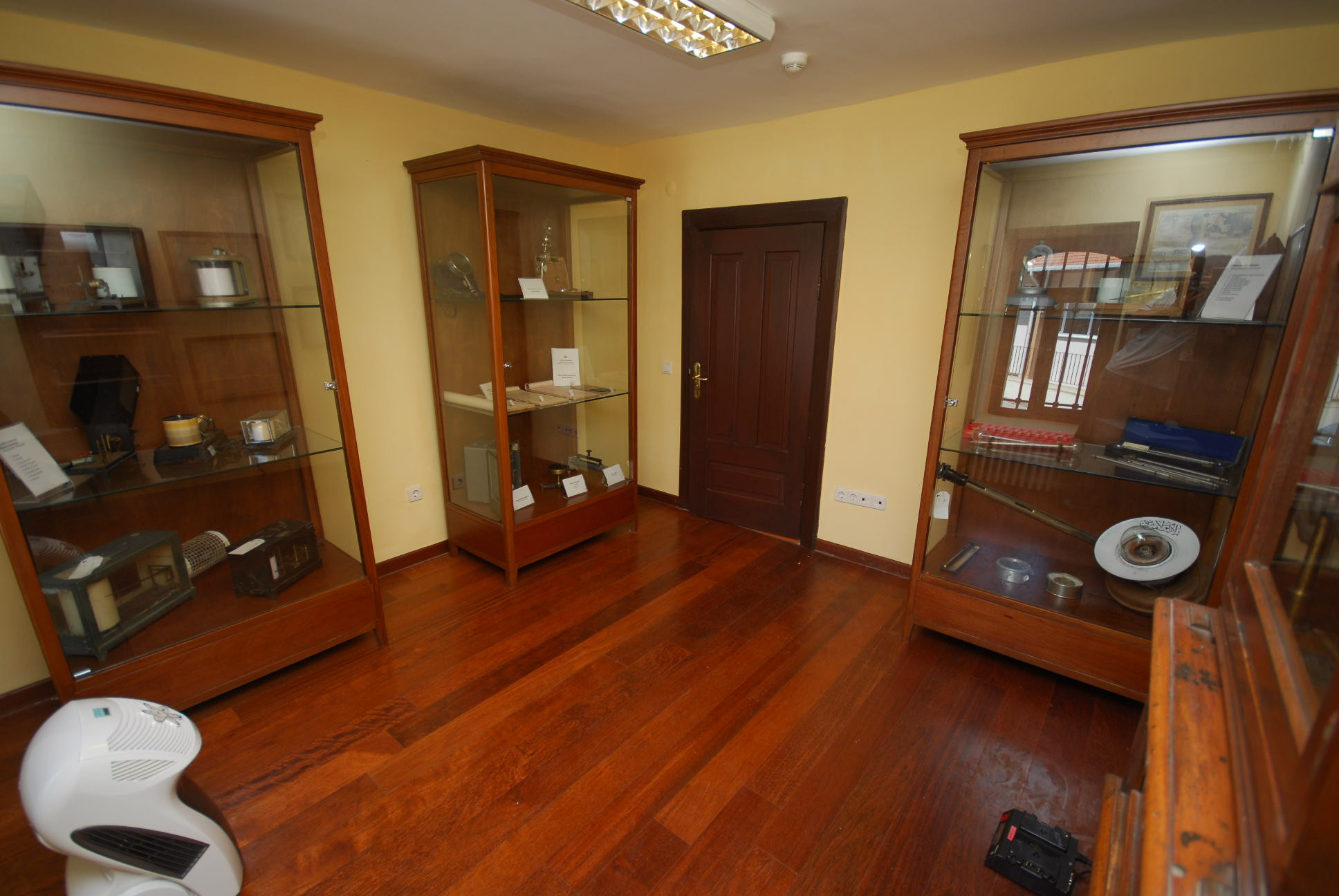
The Historic Building
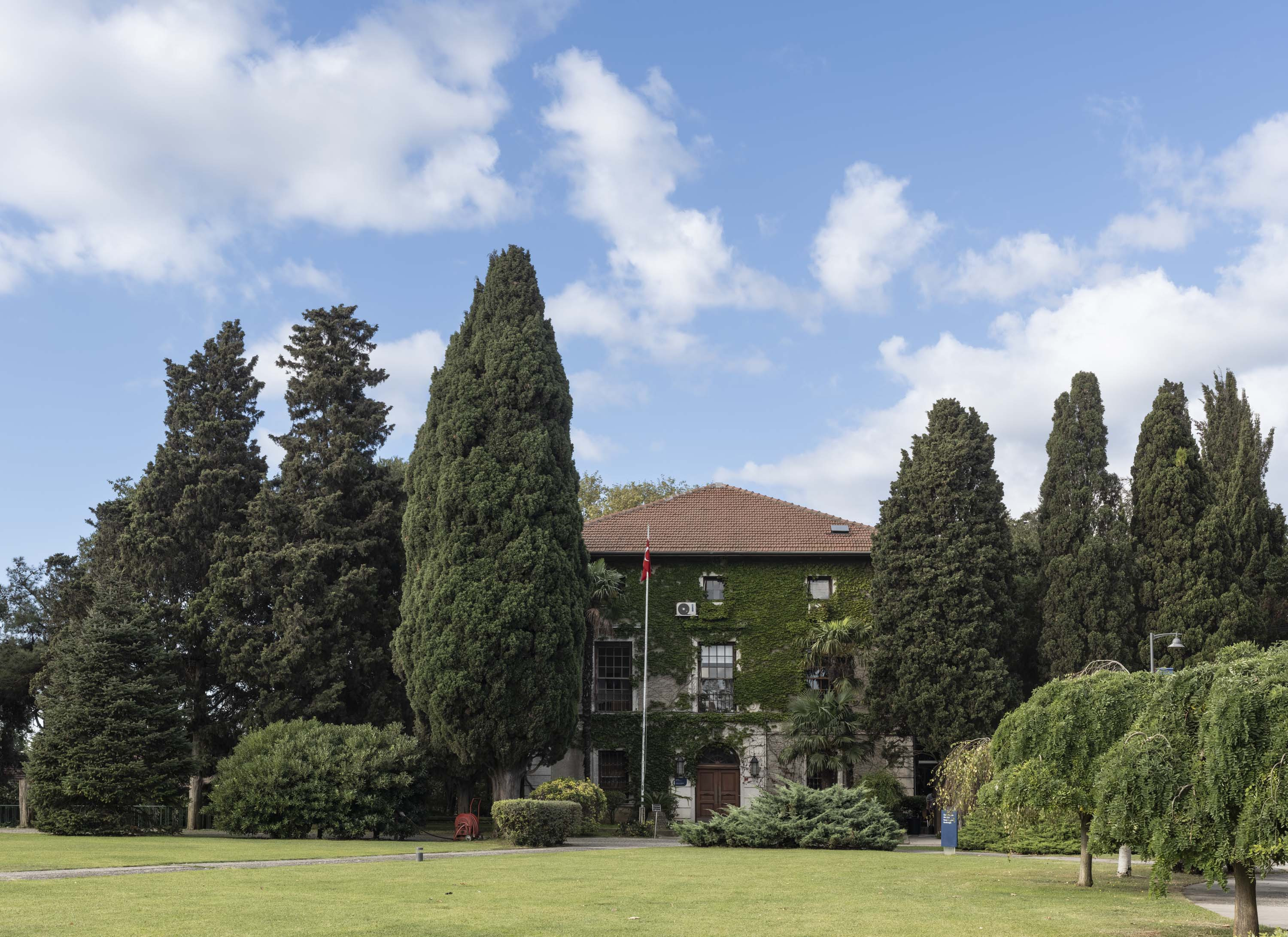
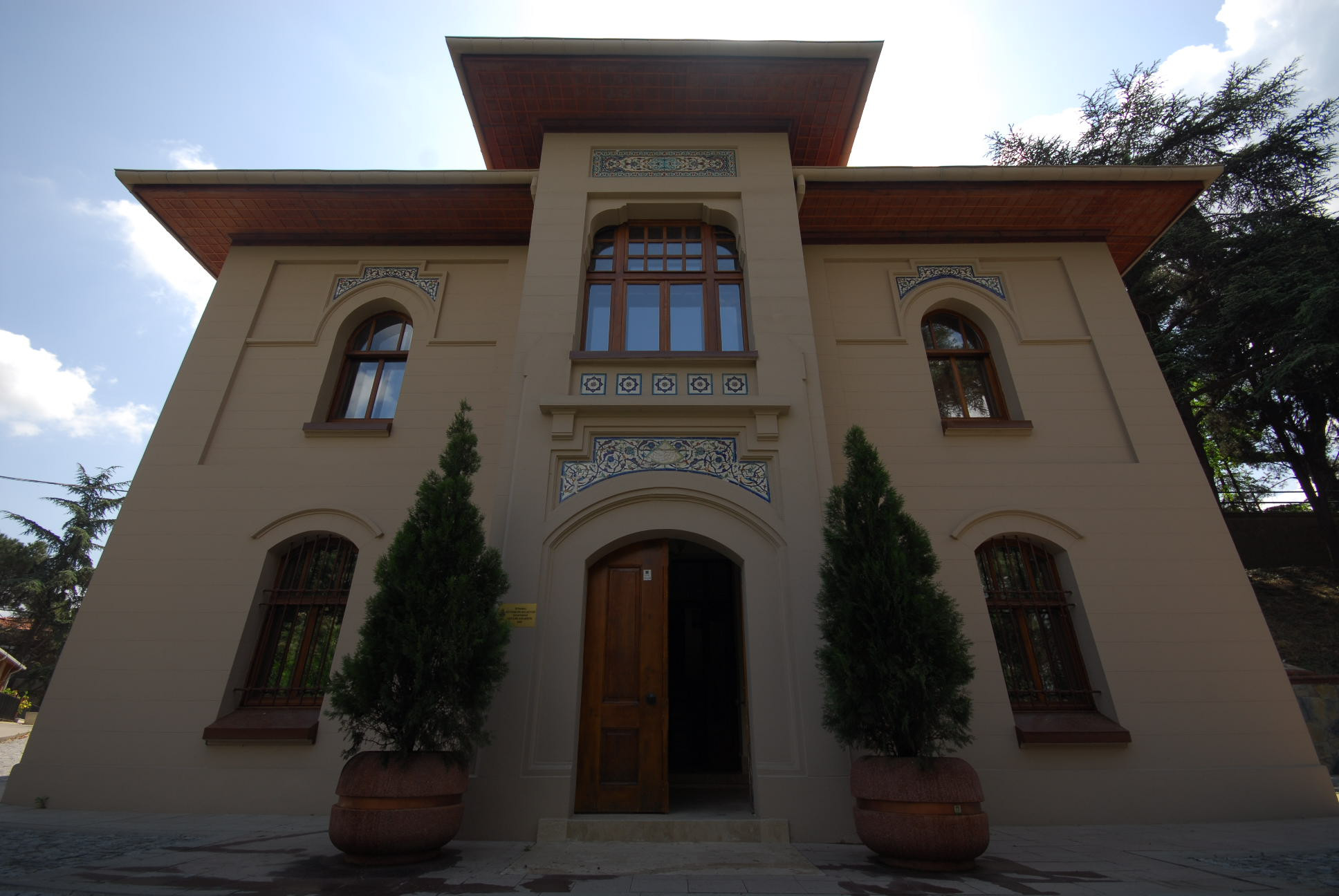
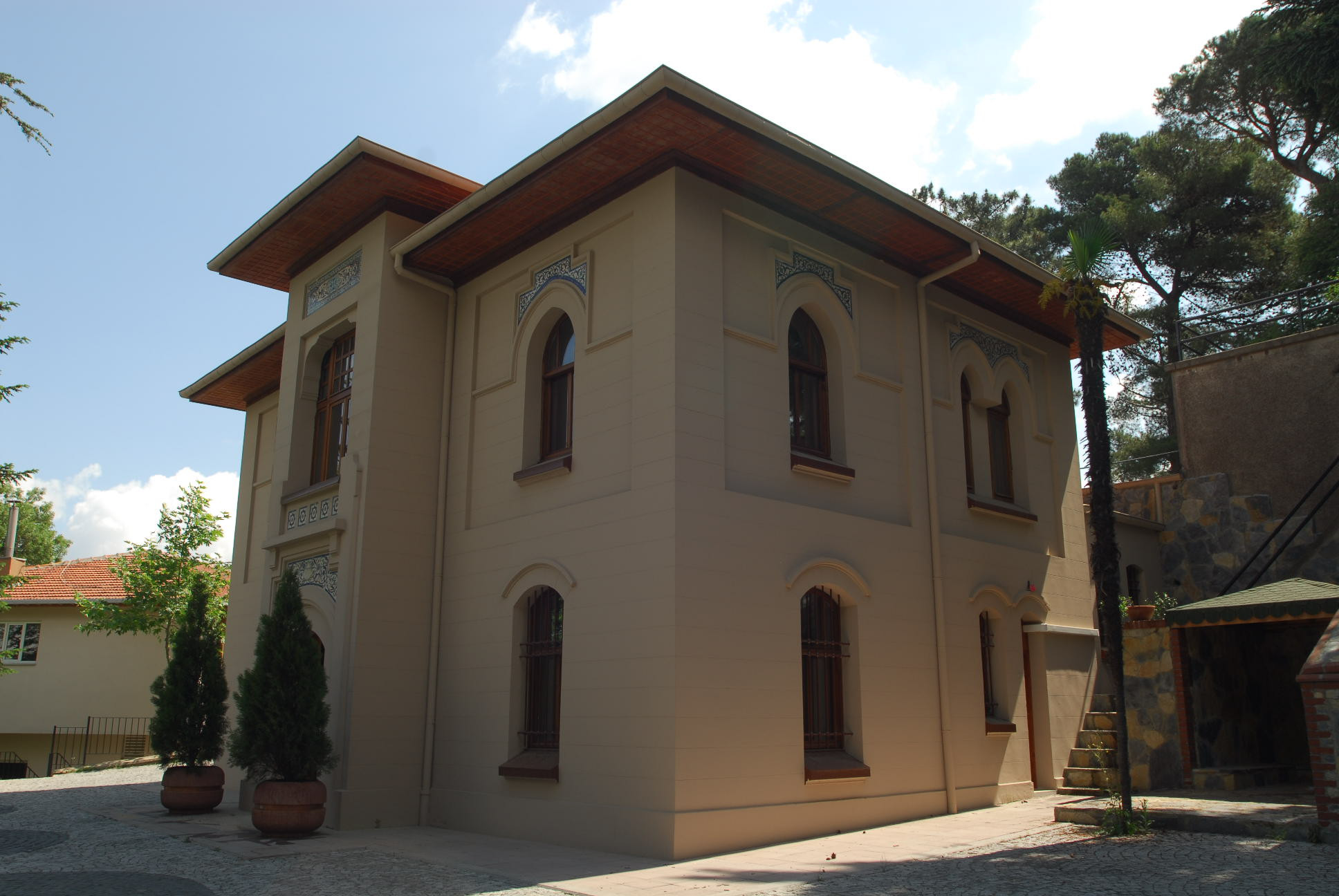
The historic building in which the collection is exhibited consists of the seismograph section, built in 1926, and a two-storey building constructed between 1930 and 1934.
Reflecting the characteristics of Ottoman-Turkish architecture through its façade and elegant tile decorations, the building was restored by the Istanbul Metropolitan Municipality on the instruction of then Prime Minister Recep Tayyip Erdoğan, prepared for exhibition by Boğaziçi University, and opened to visitors on 21 June 2006.
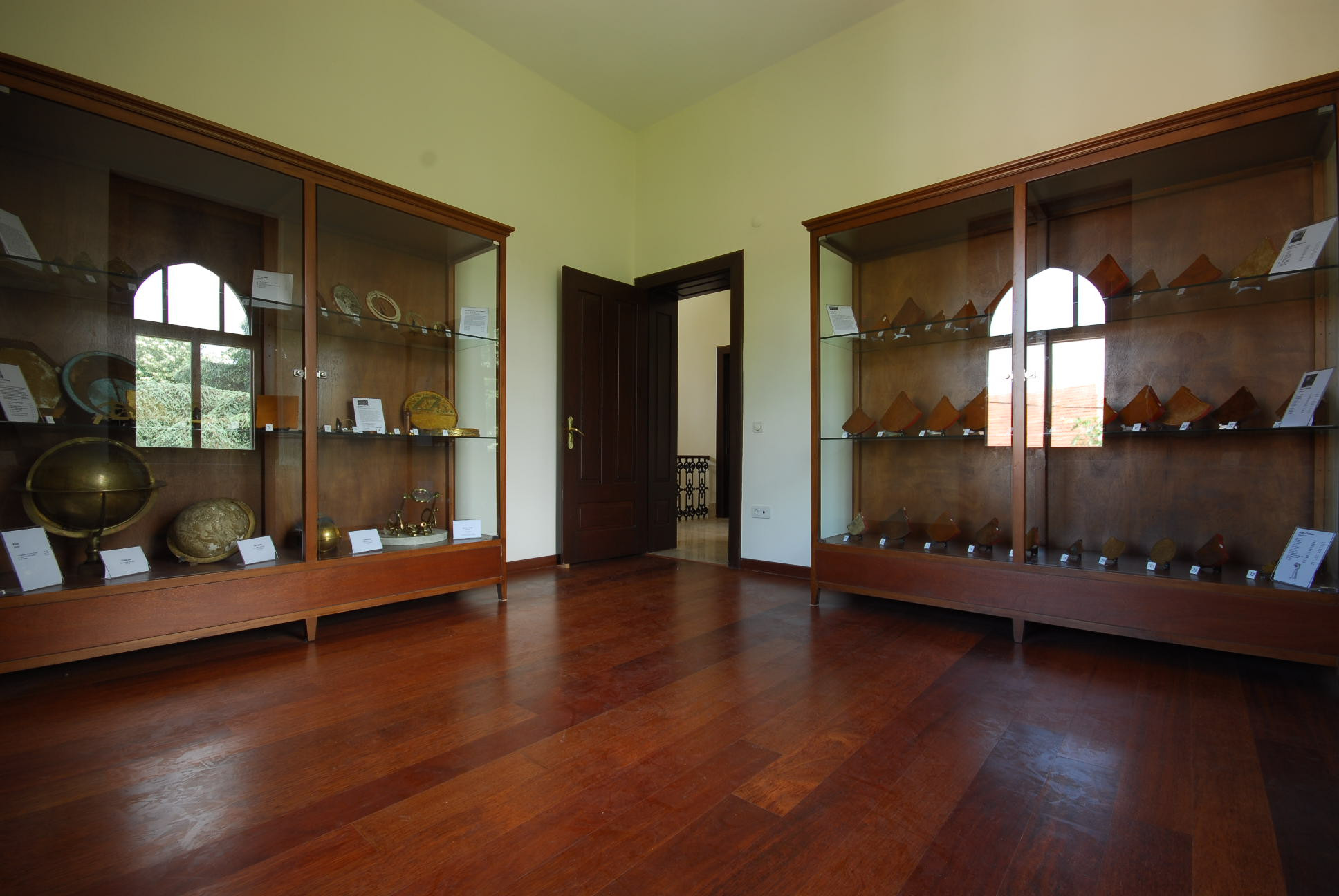
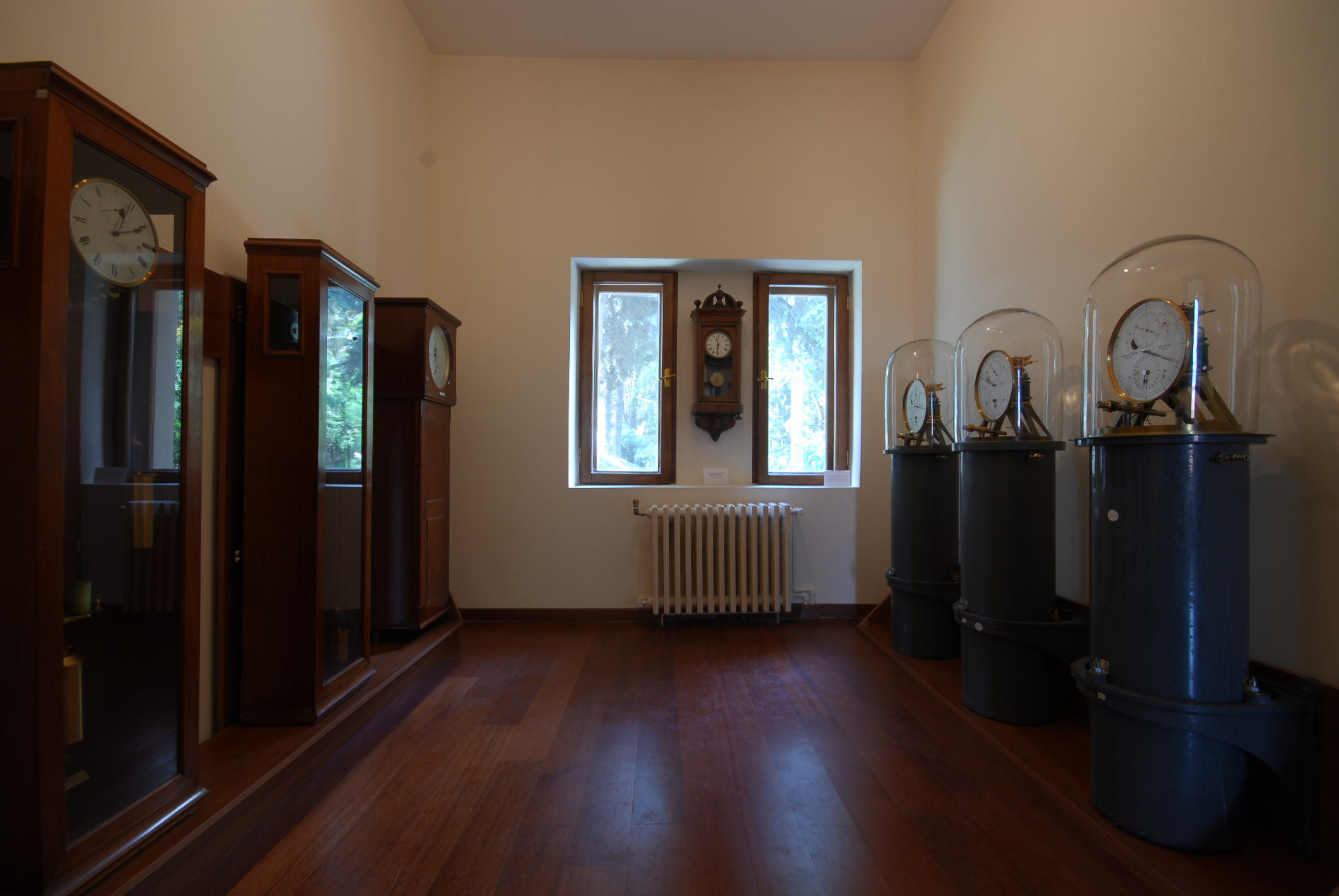
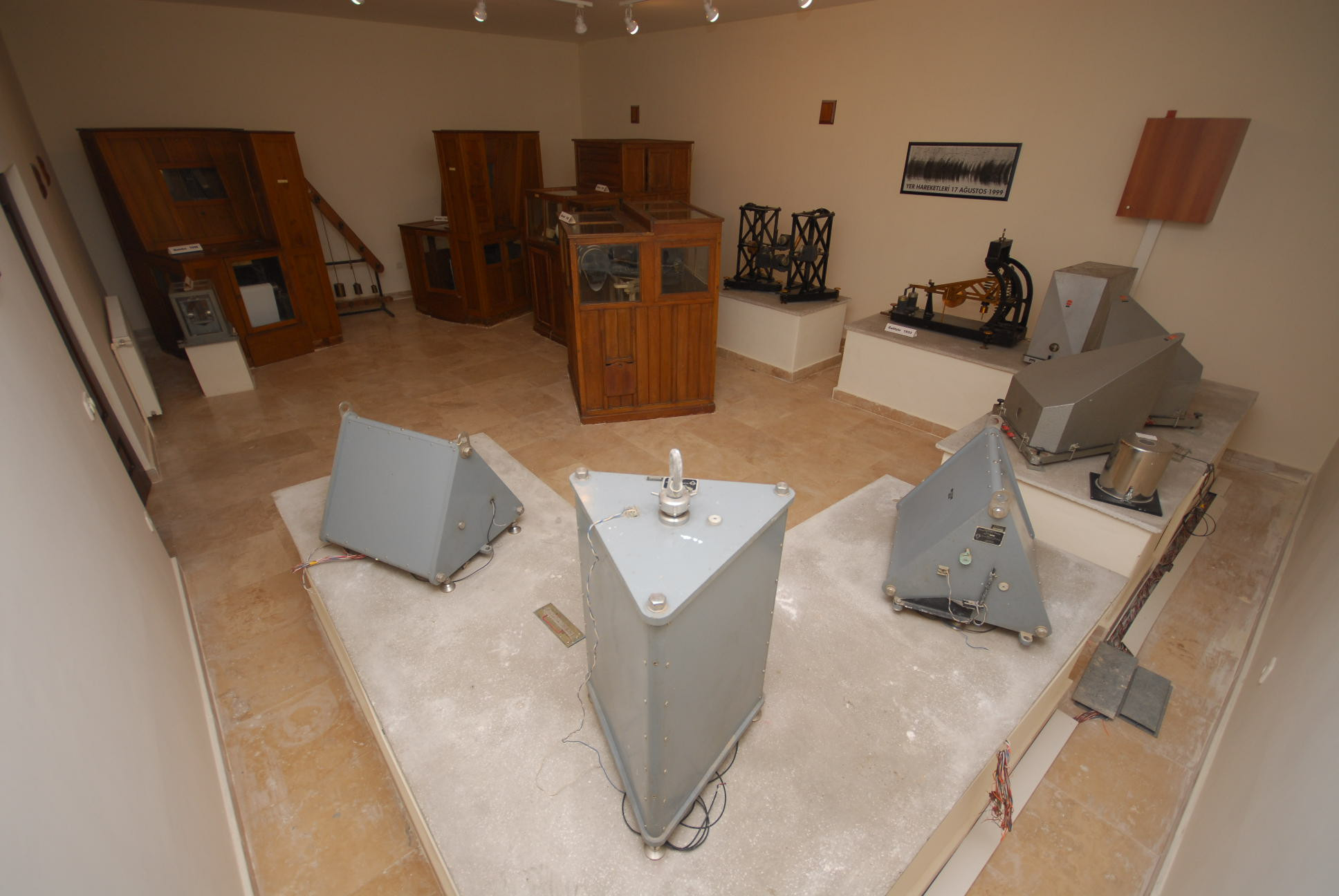
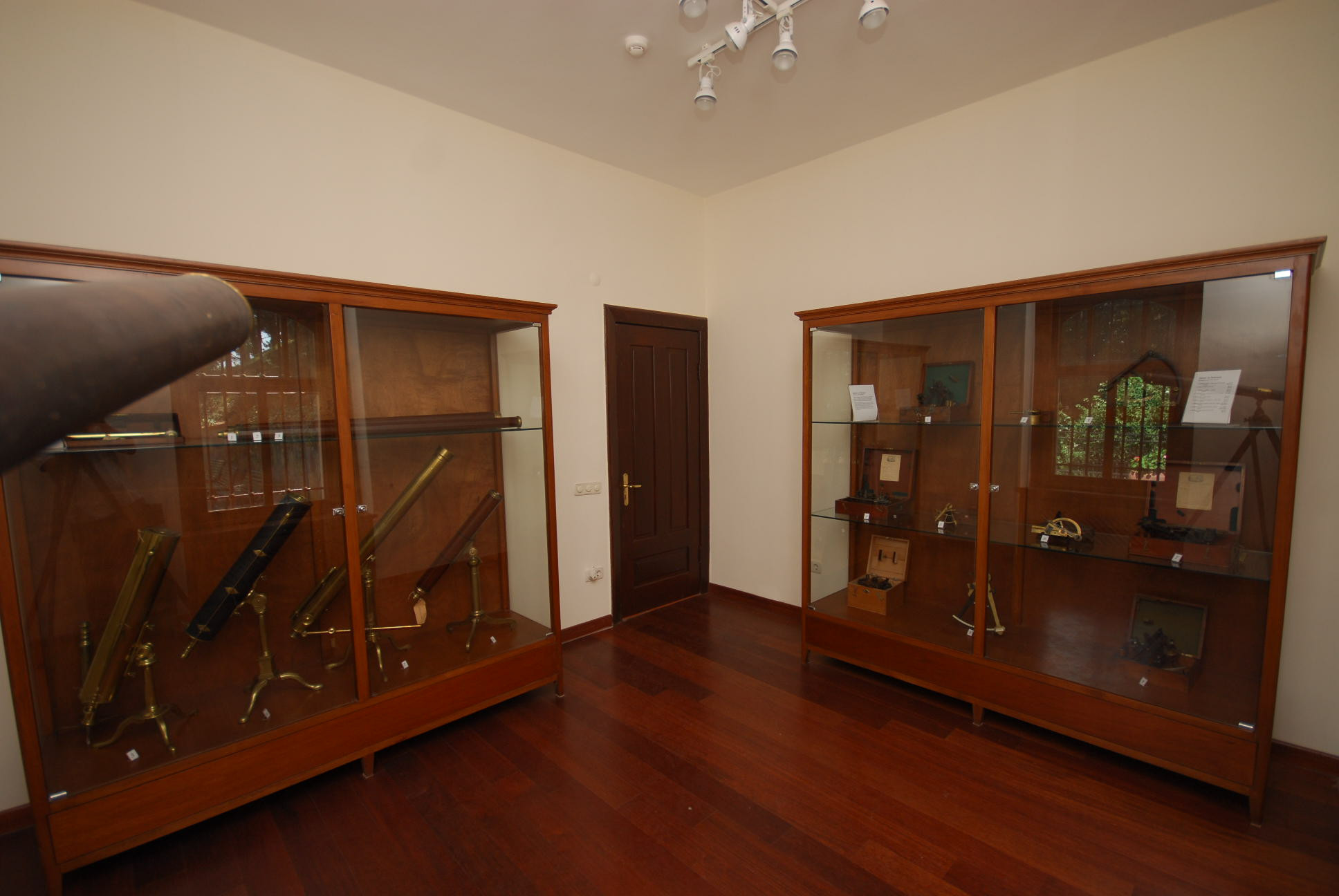
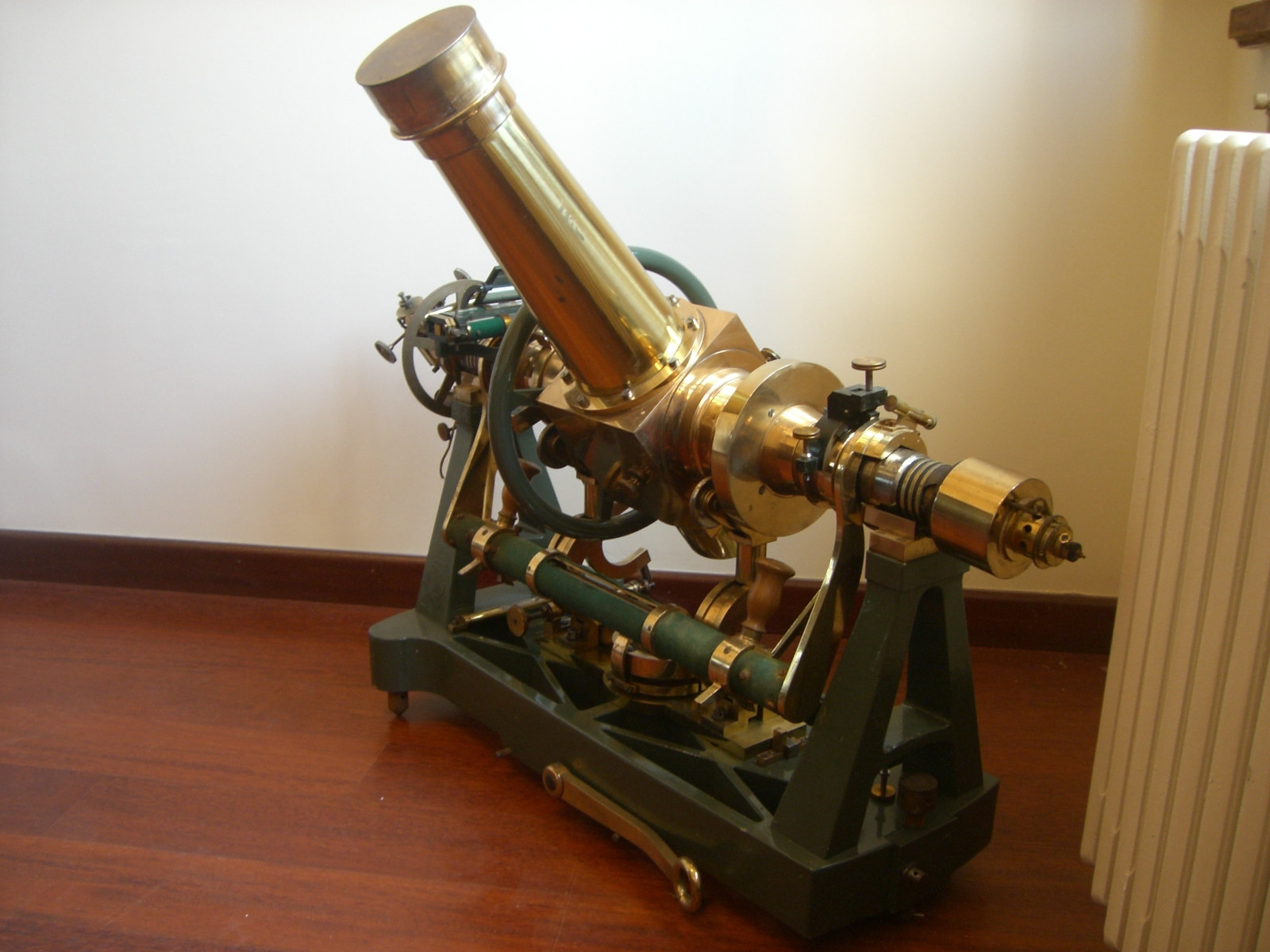
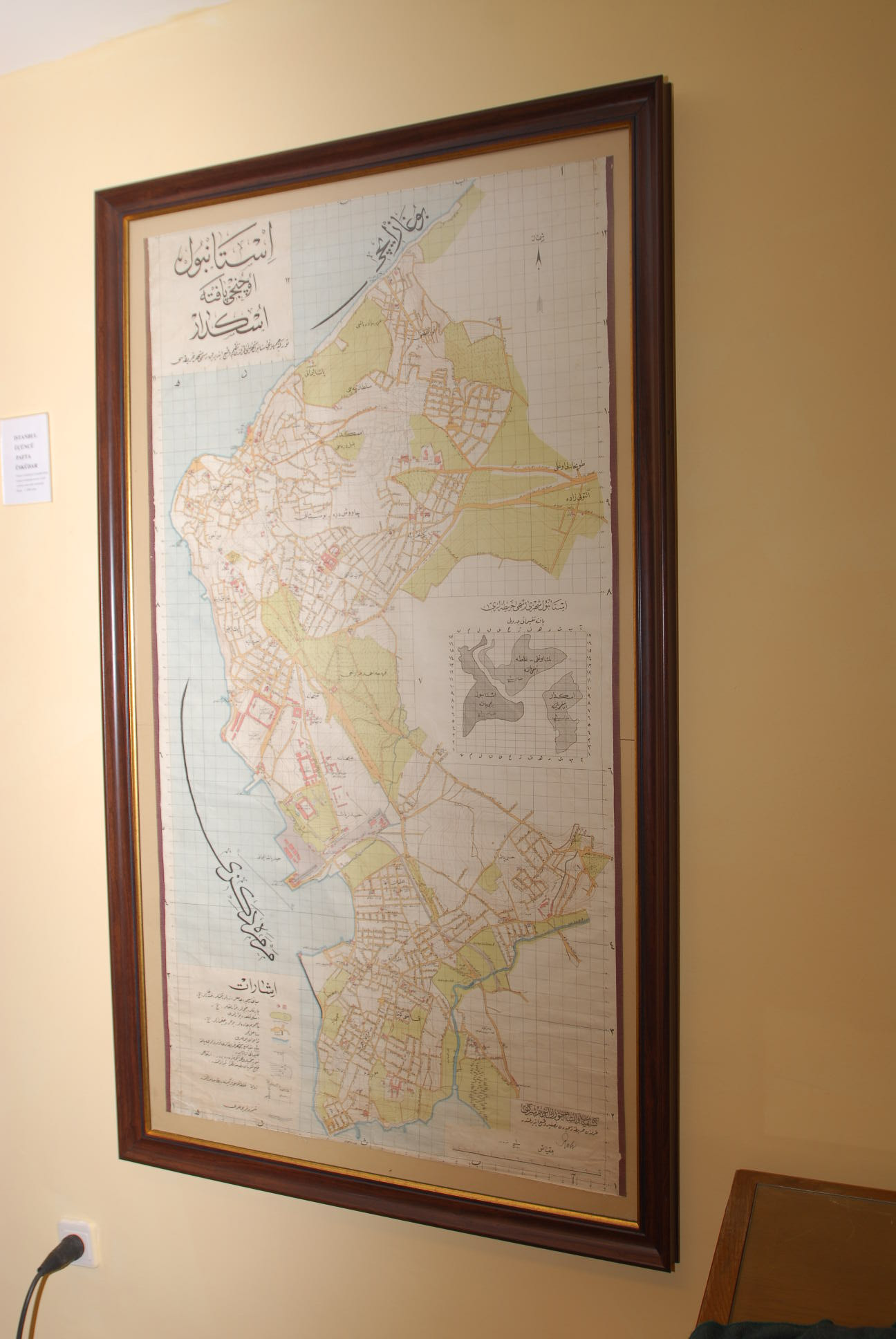
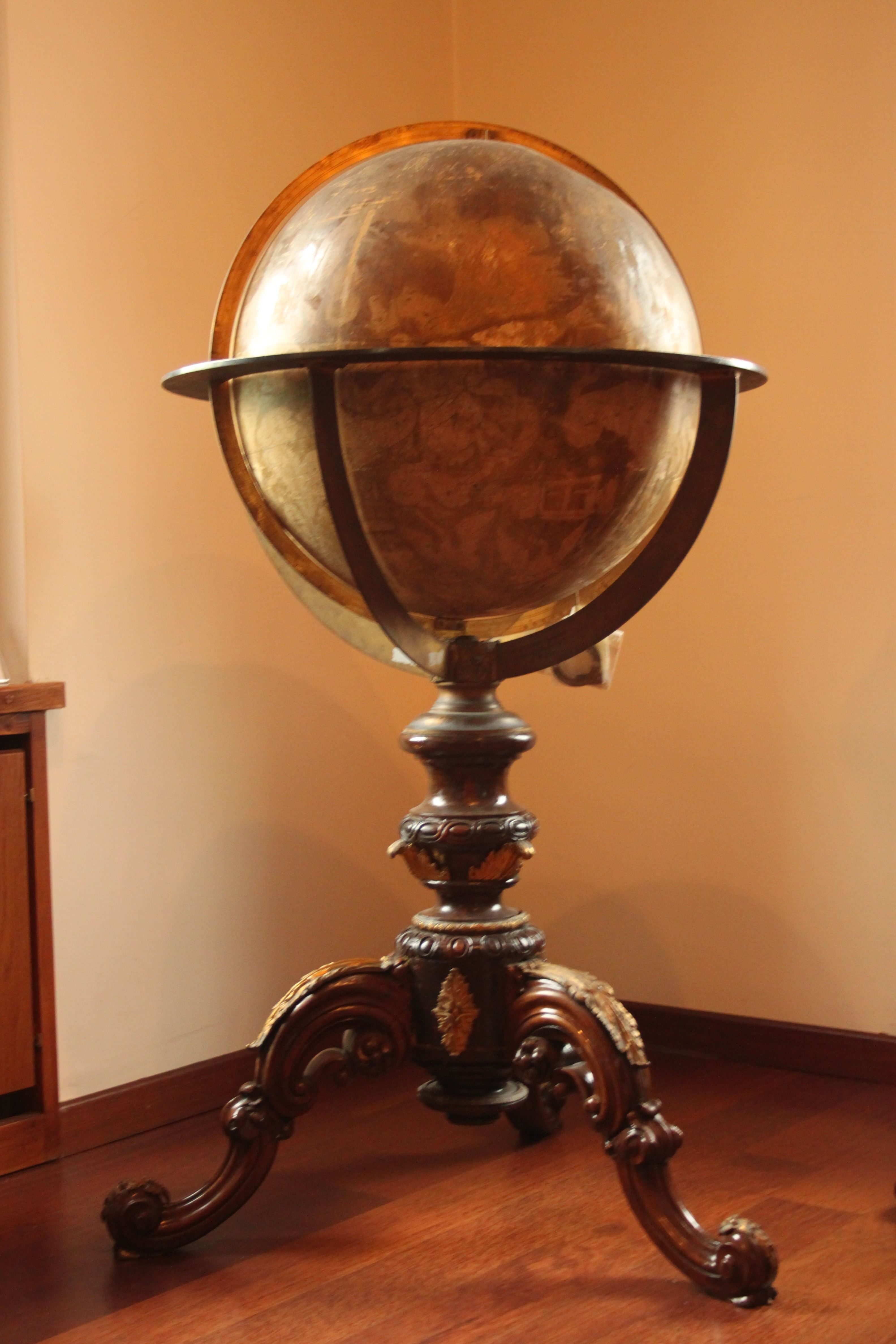
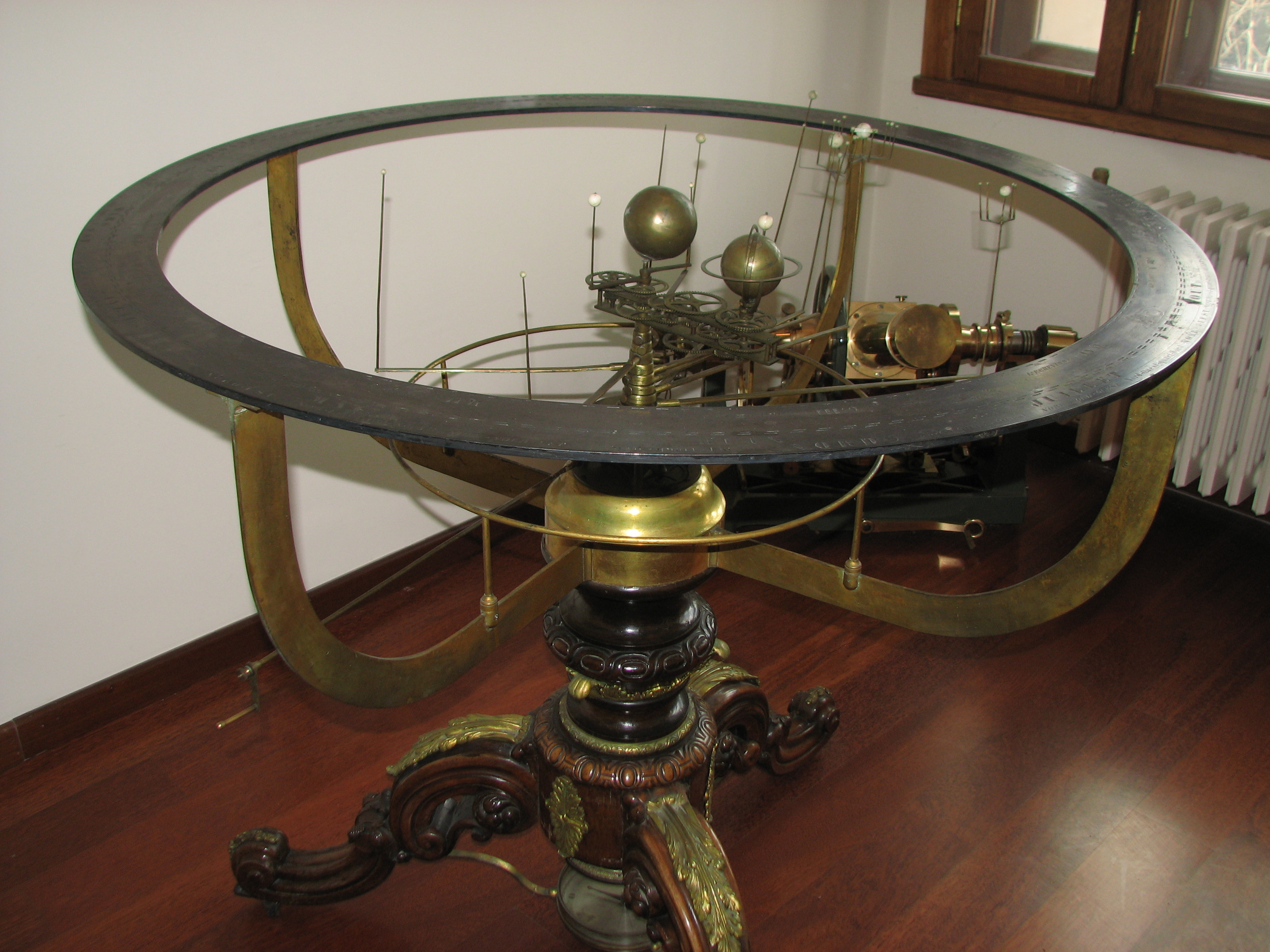
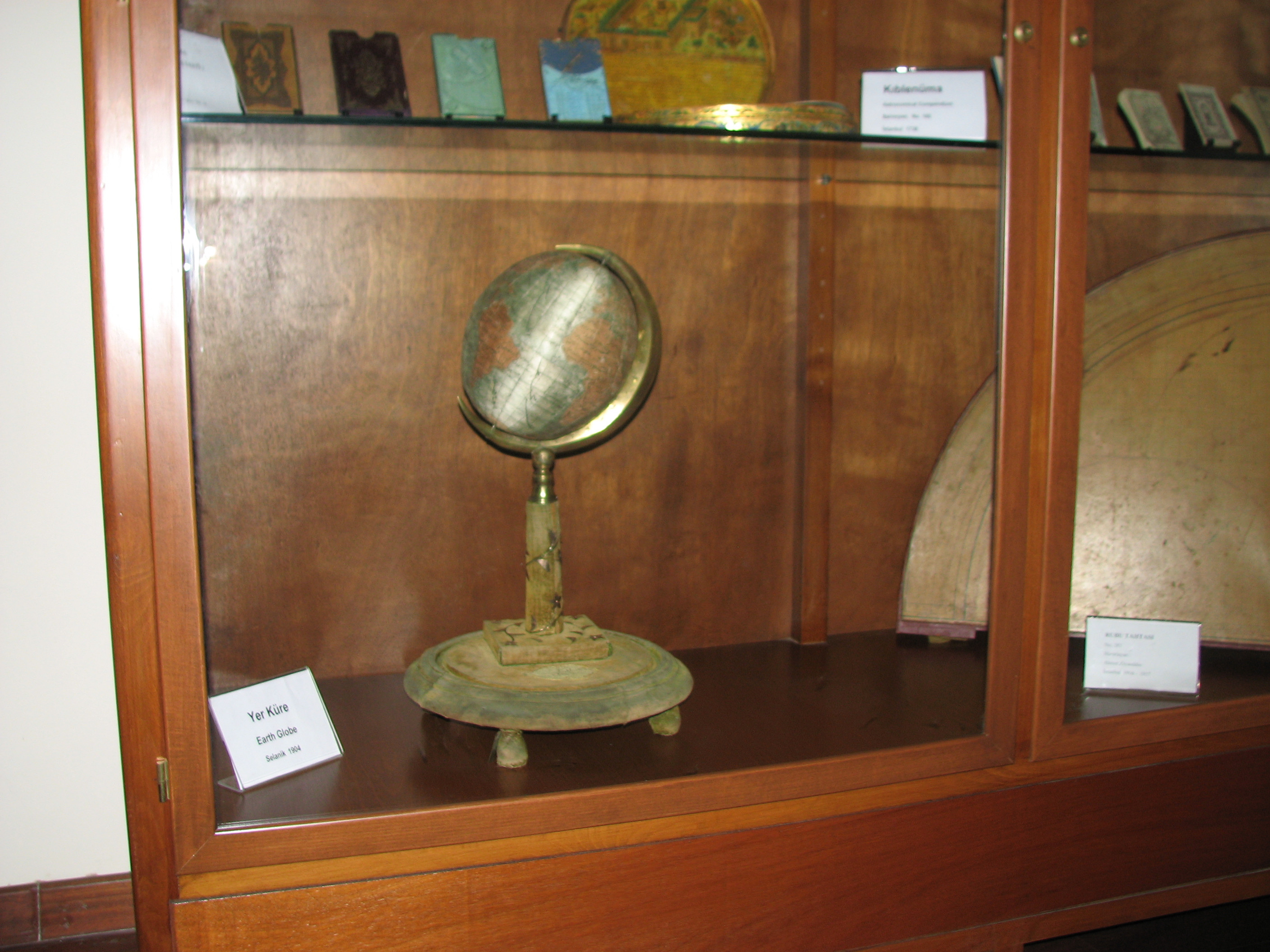
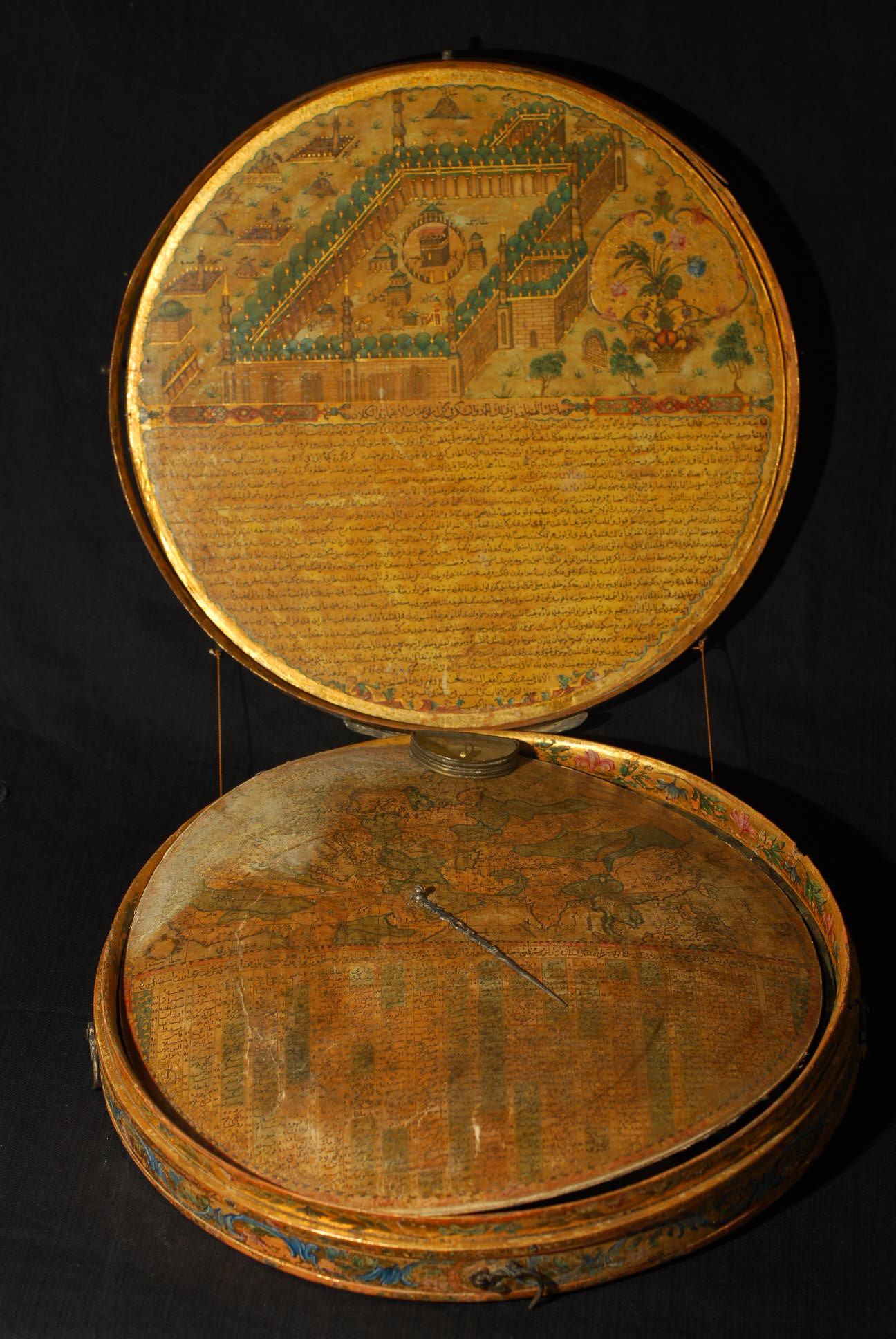
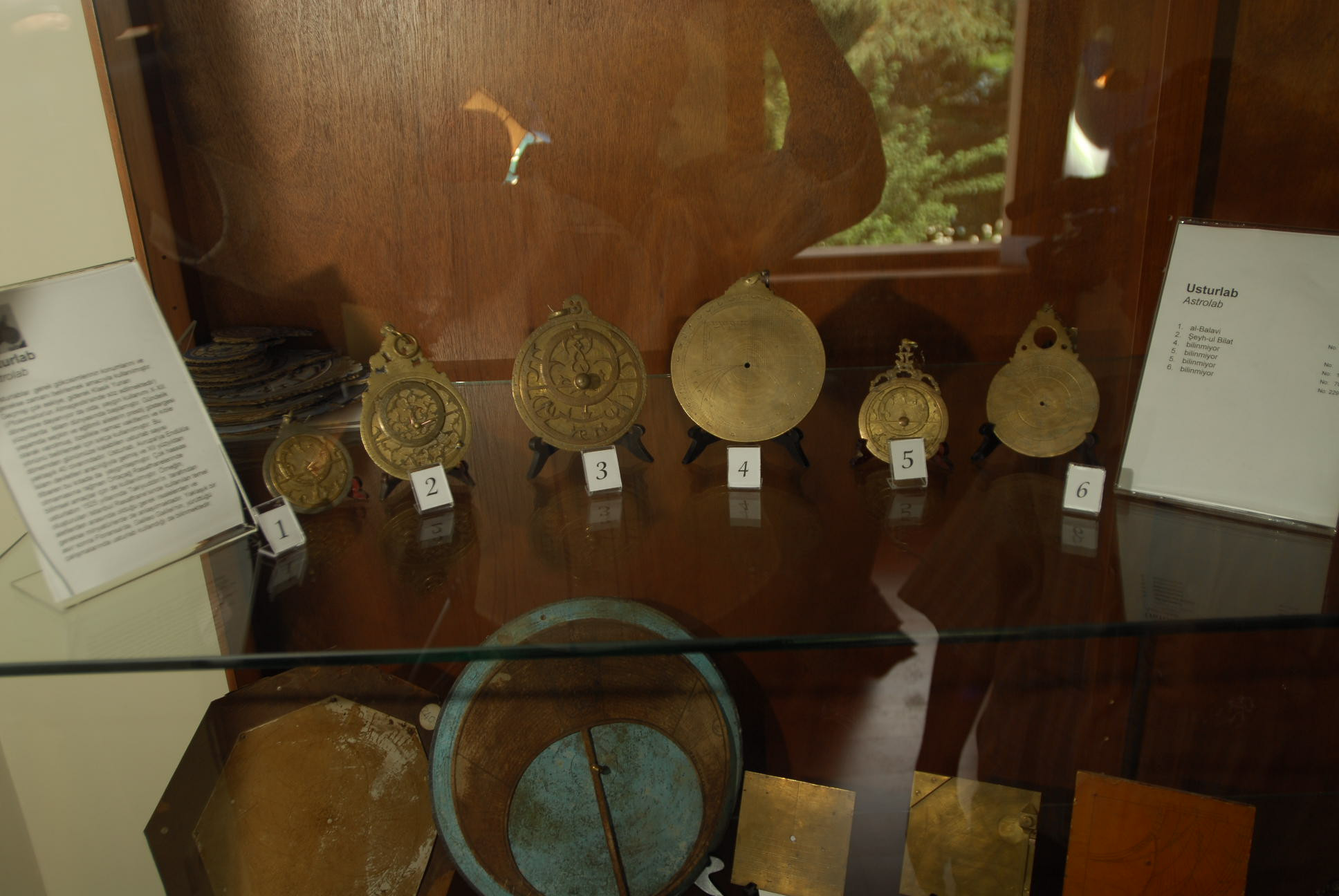
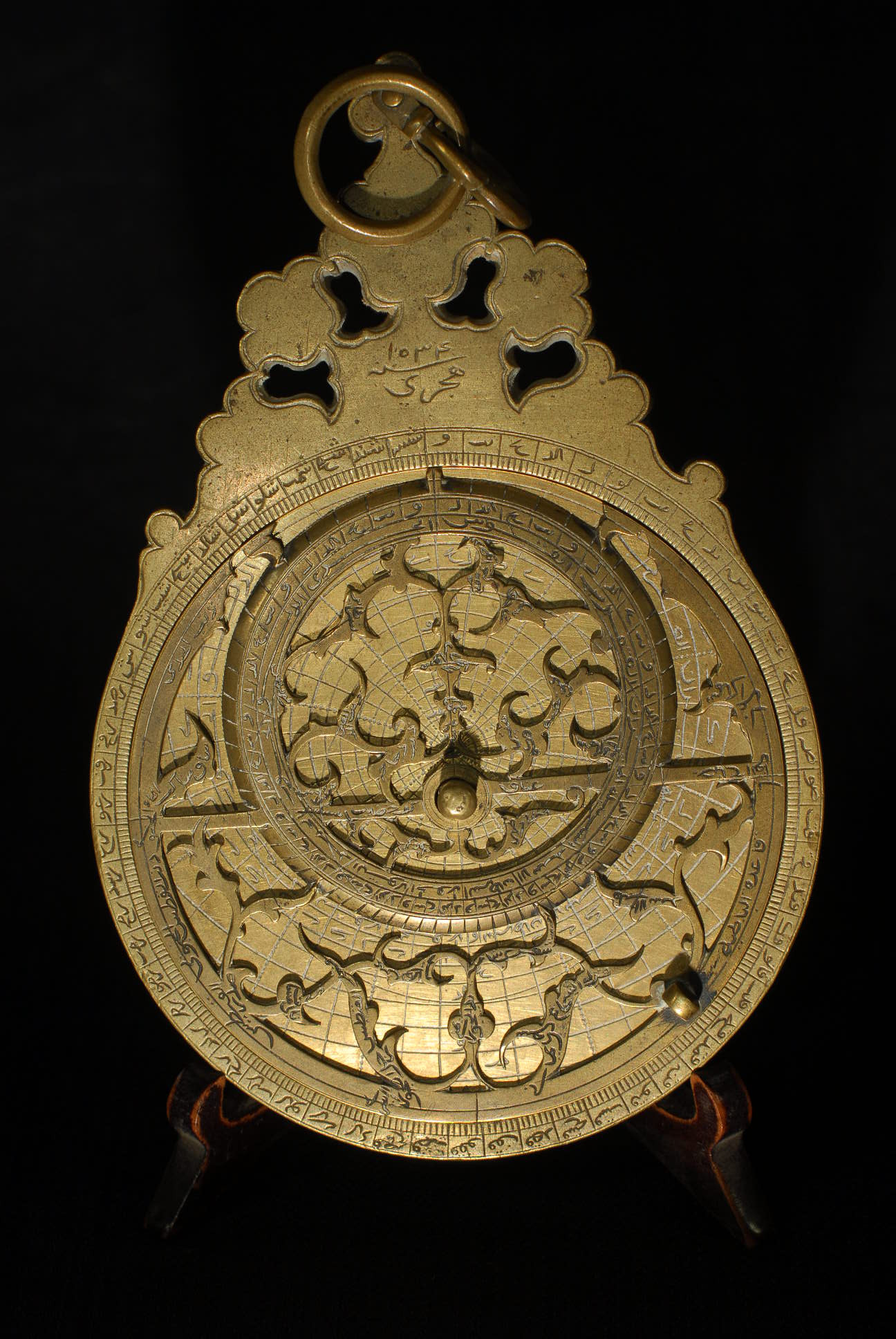
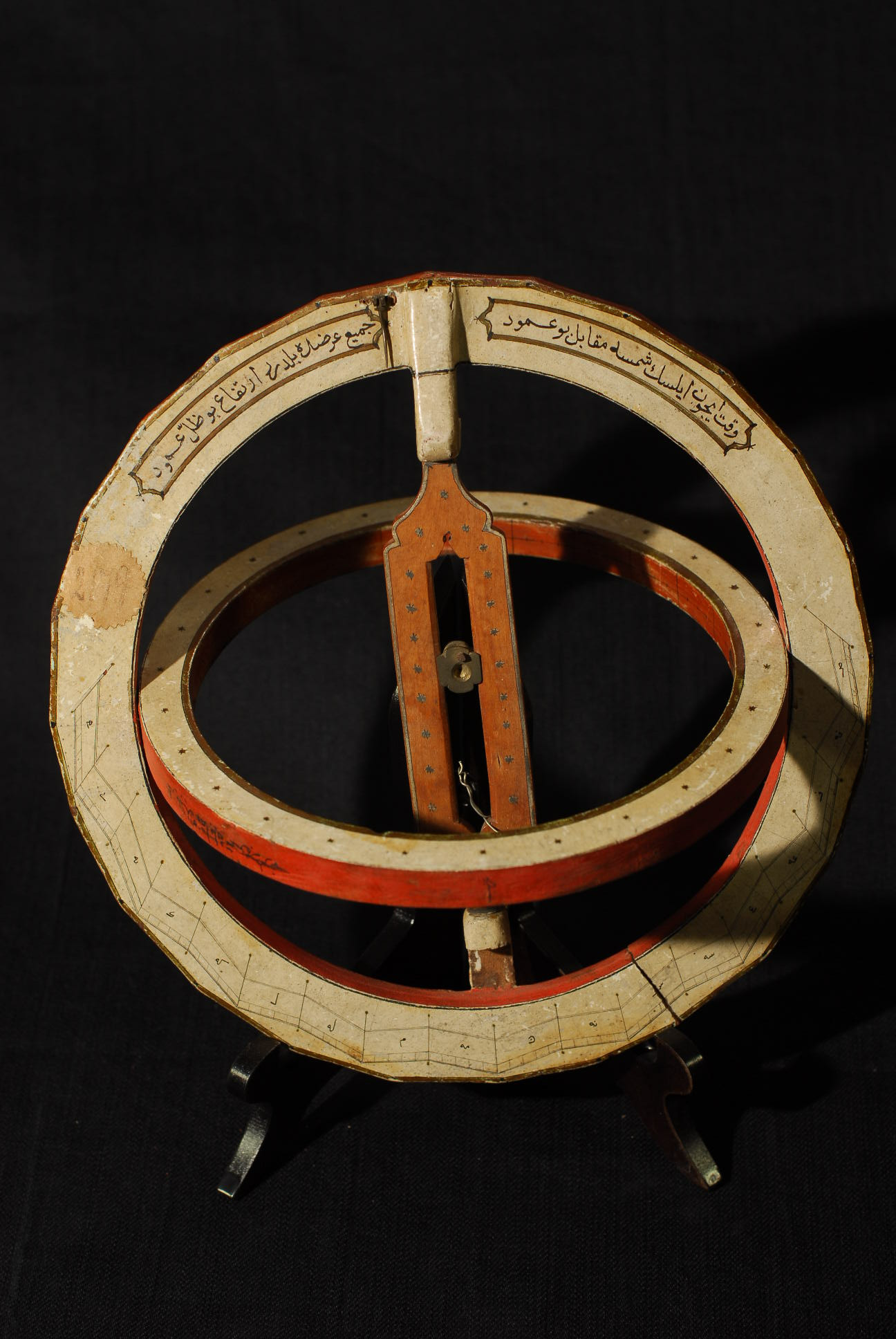
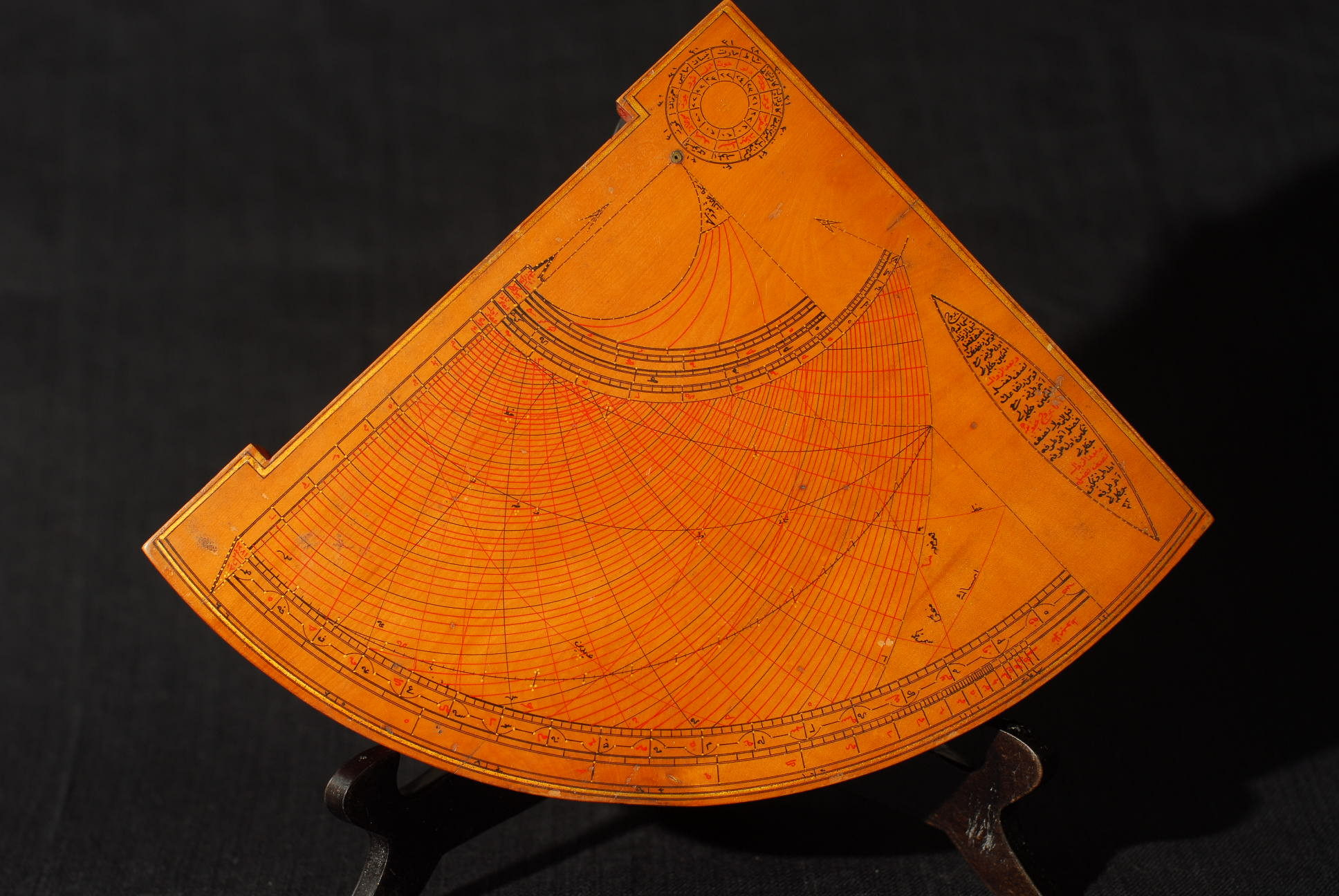
The historic building displays examples of observational instruments developed by Turkish scientists in the Ottoman period, along with seismographs and various astronomical, geodetic, magnetic and meteorological instruments, most of them imported from Europe and America, used at the Rasathane-i Âmire and in Kandilli since its founding in 1868.
Institutional Stewardship & Transformation
Administered by the Boğaziçi University Library and Documentation Department, this historic building ensures that important scientific instruments that shaped the history of observation are preserved to contemporary museum and archival standards and safely passed on to future generations.
Original Architectural Character
Bearing traces of the First National Architectural Movement, the masonry building of two storeys and a mezzanine preserves its original architectural identity with its segmental-arched portal, colourful tiles with sine quadrant (rubu tahtası) motifs, wide eaves, and the double-walled Vault Hall (Kav Salonu) that houses the seismographs.
Exhibition Overview by Floor
Main instruments on display on each floor of the building
